PhotoBiomodulation and laser medicine informed by clinical research and ASLMS knowledge.
Valuable clinical credential
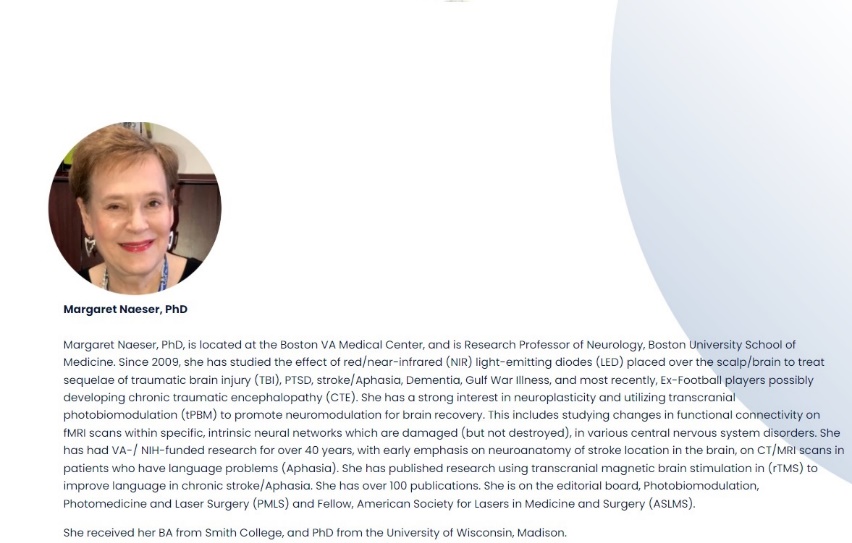
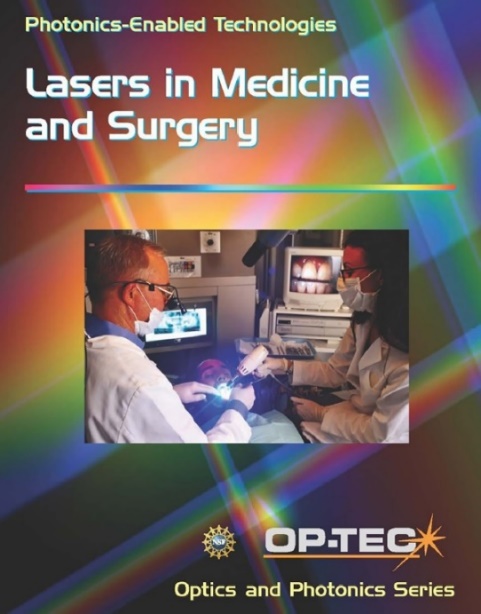
Our research team has extensive knowledge from ASLMS — the American Society for Laser Medicine & Surgery. That depth of training and scientific engagement is a valuable piece of evidence that our care model is built to help patients with PhotoBiomodulation: safe, non-invasive, physician-supervised protocols grounded in energy-based technology, science, and medicine.
PhotoBiomodulation

PDT, previously known as low-level laser (light) therapy (LLLT), uses visible and near-infrared light with a wavelength from 450 to 1100nm to trigger photochemical changes within intracellular cellular structures.
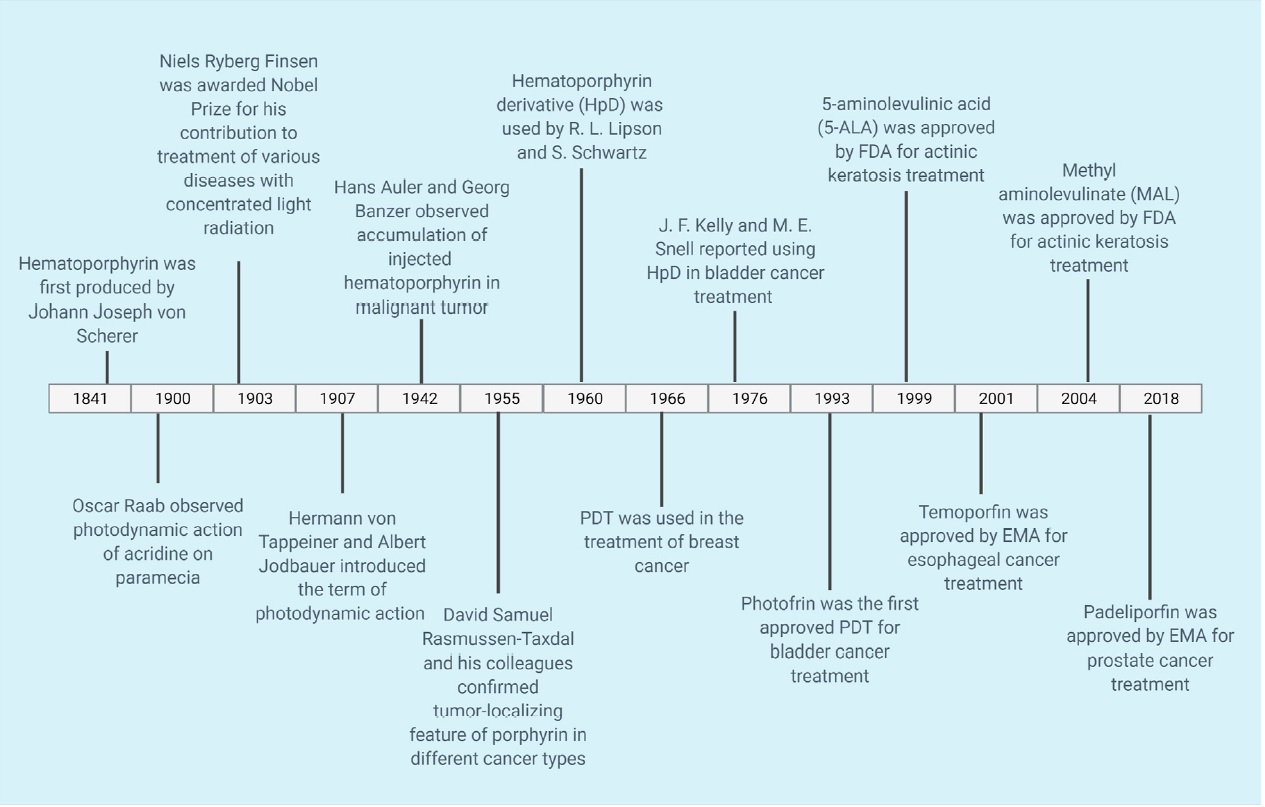
PDT has been used clinically for more than 50 years and studied in various diseases and conditions, such as muscle, wound healing, pain relief, arthritis, hair loss, orthodontic mini-implant stability, neurodegenerative diseases and most recently in COVID-19 patients.
PDT has been shown over decades to be a patient-directed, adjunctive, effective, non-invasive, and safe treatment option to mitigate mitochondrial dysfunction, oxidative stress, inflammatory conditions, and, more recently, gut microbiota dysbiosis.
Light has been used in medical treatments for over a millennium. It was used in ancient Egypt, India, and China to treat skin diseases, such as psoriasis and vitiligo, as well as rickets and even psychosis.
Despite this, sunlight as a medical treatment was not widely used until the eighteenth century.
The Nobel Prize awarded to Niels Finsen acknowledged phototherapy in 1903. He was granted this prize for treating cutaneous tuberculosis by using ultraviolet (UV) light.
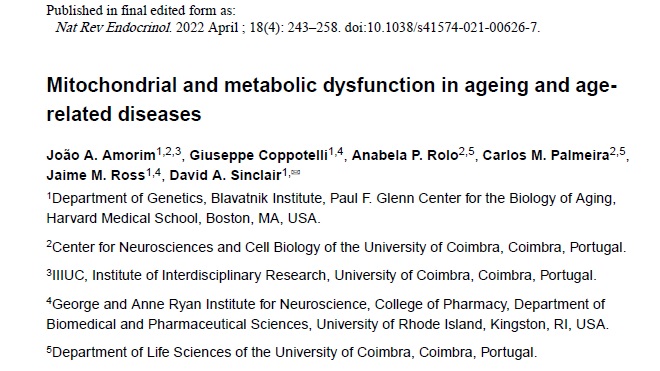
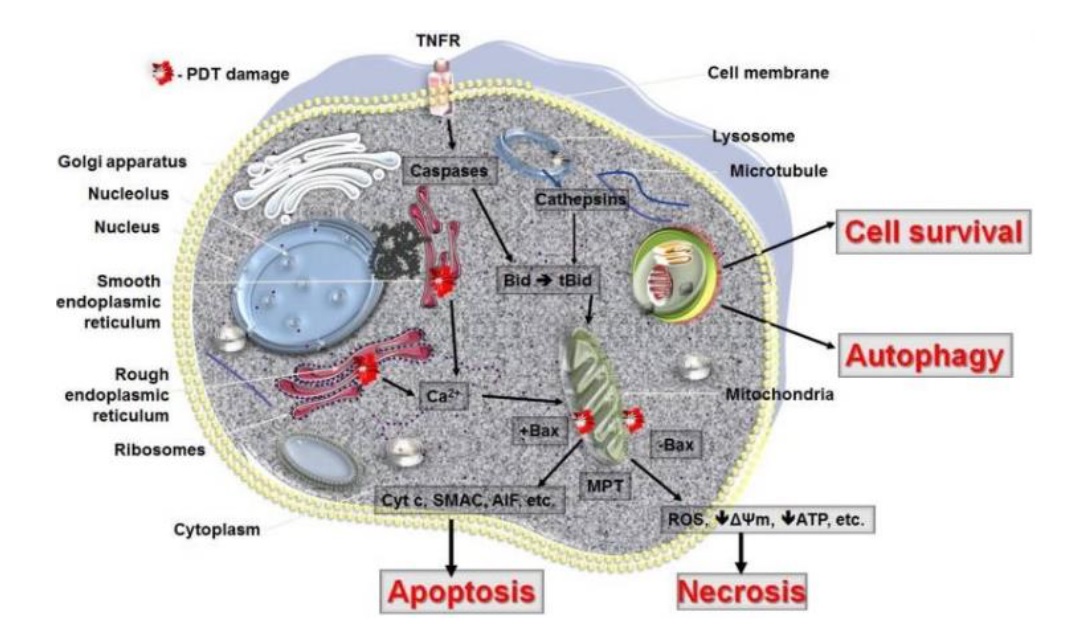
Mechanism of photobiomodulation action (page 4)
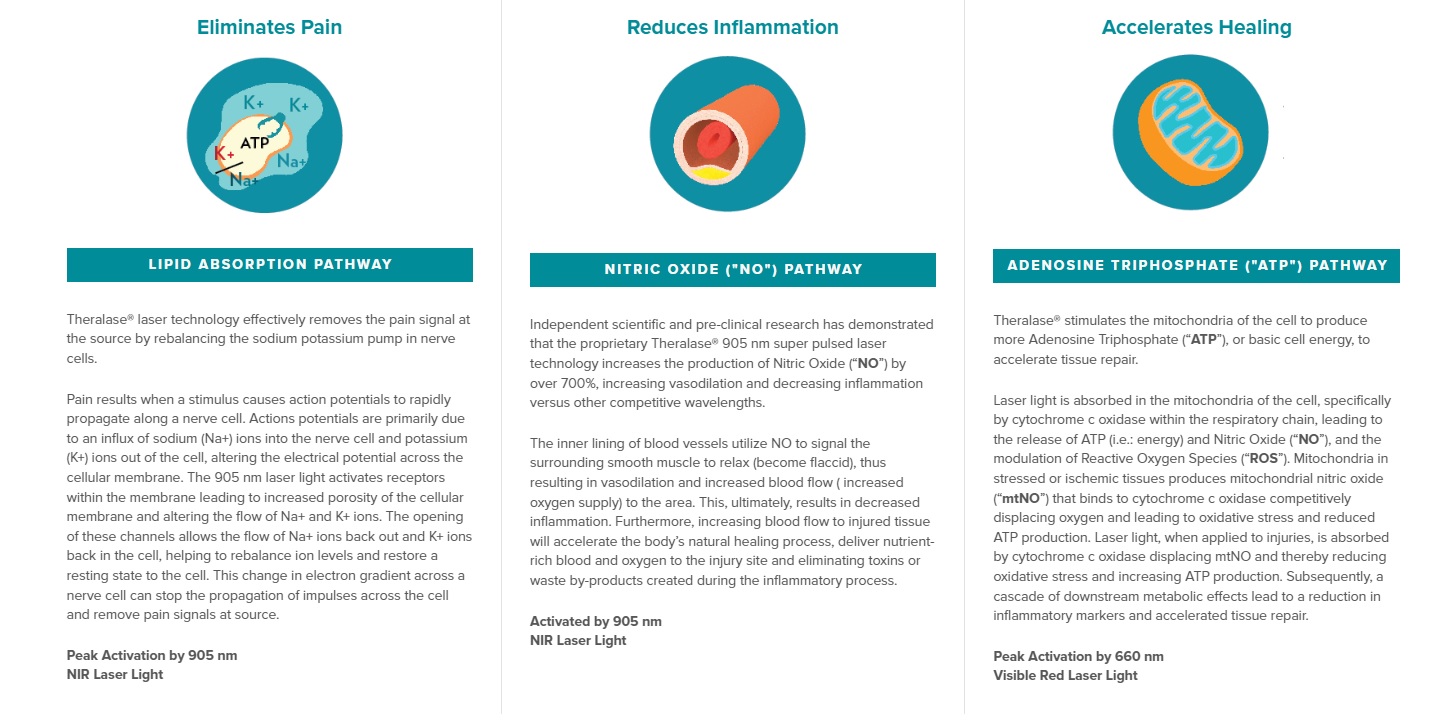
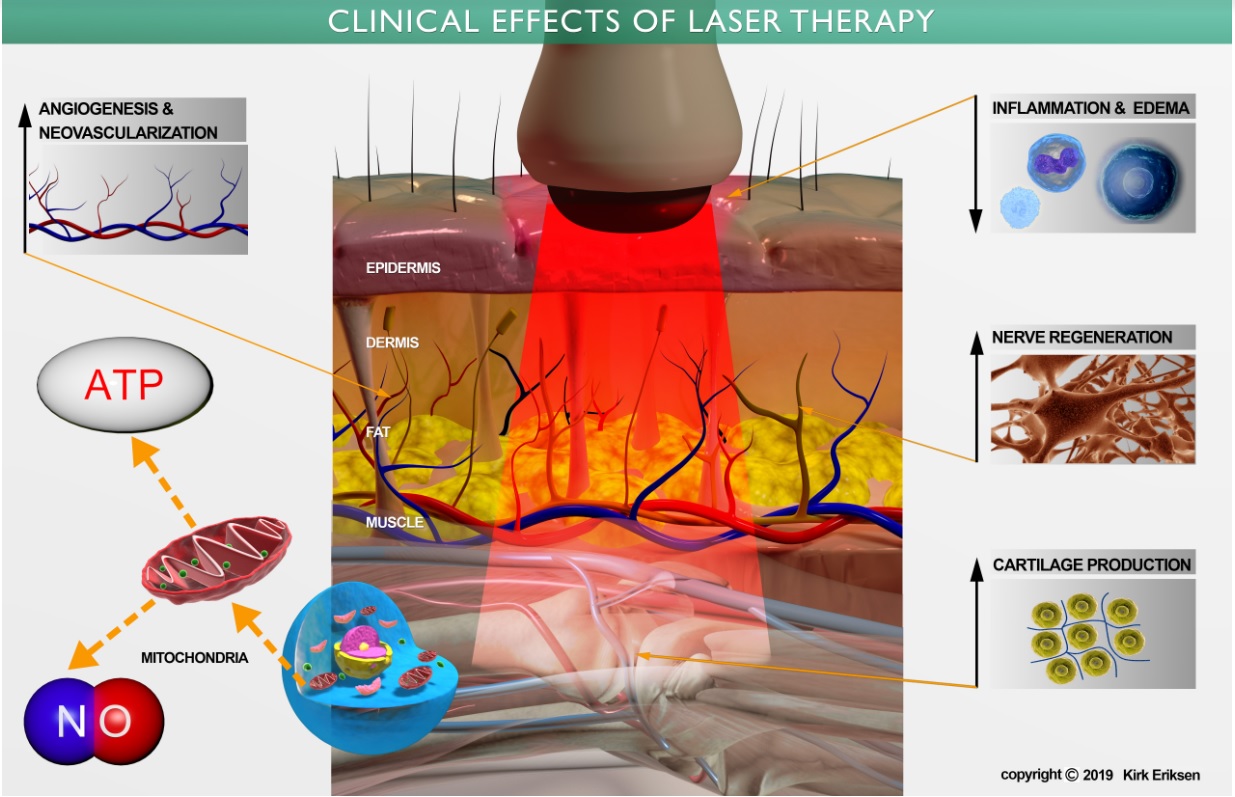
Pain is the most common reason for physician consultations in Canada and the number one reason for missed work or school days is musculoskeletal pain.
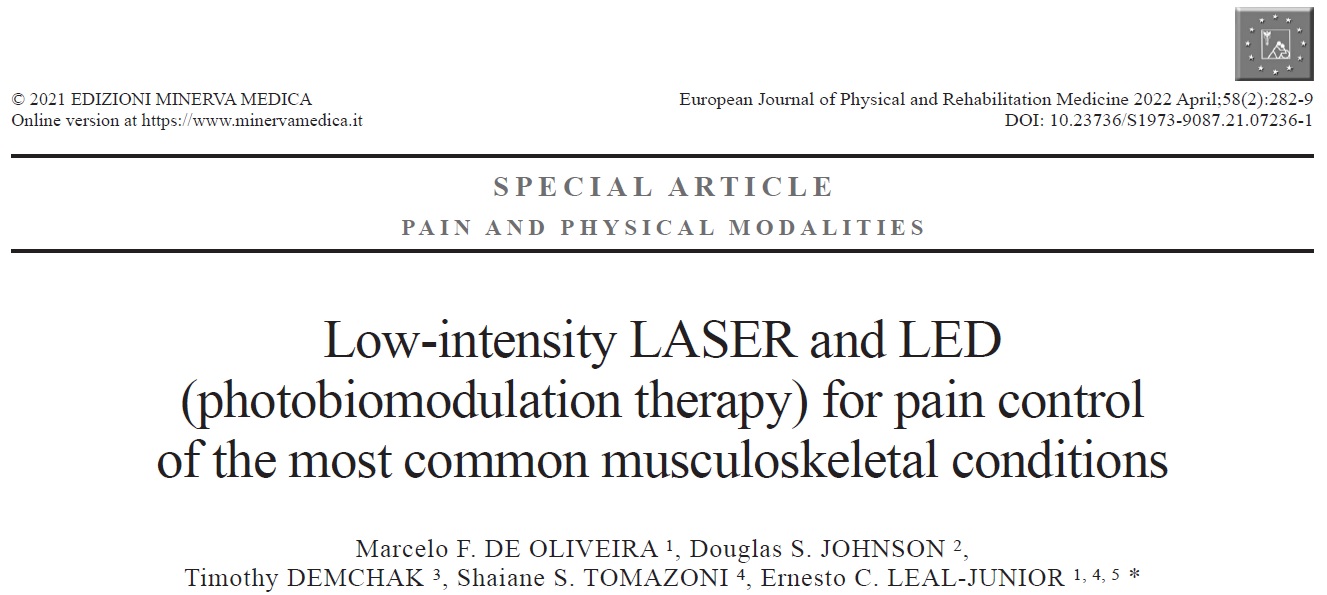
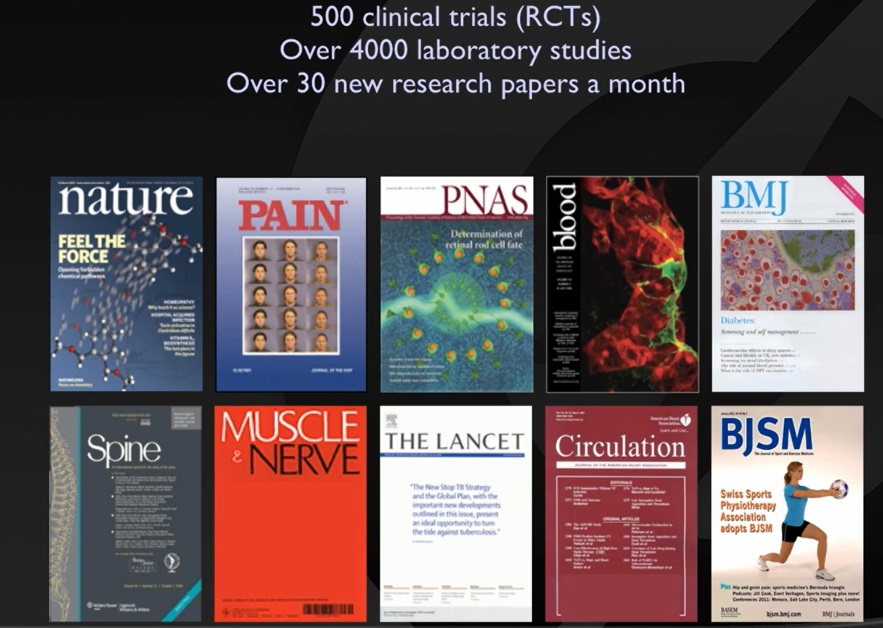
Our laser and photobiomodulation protocols are aligned with a large and growing body of scientific literature — including clinical trials, laboratory studies, and ongoing peer-reviewed research.