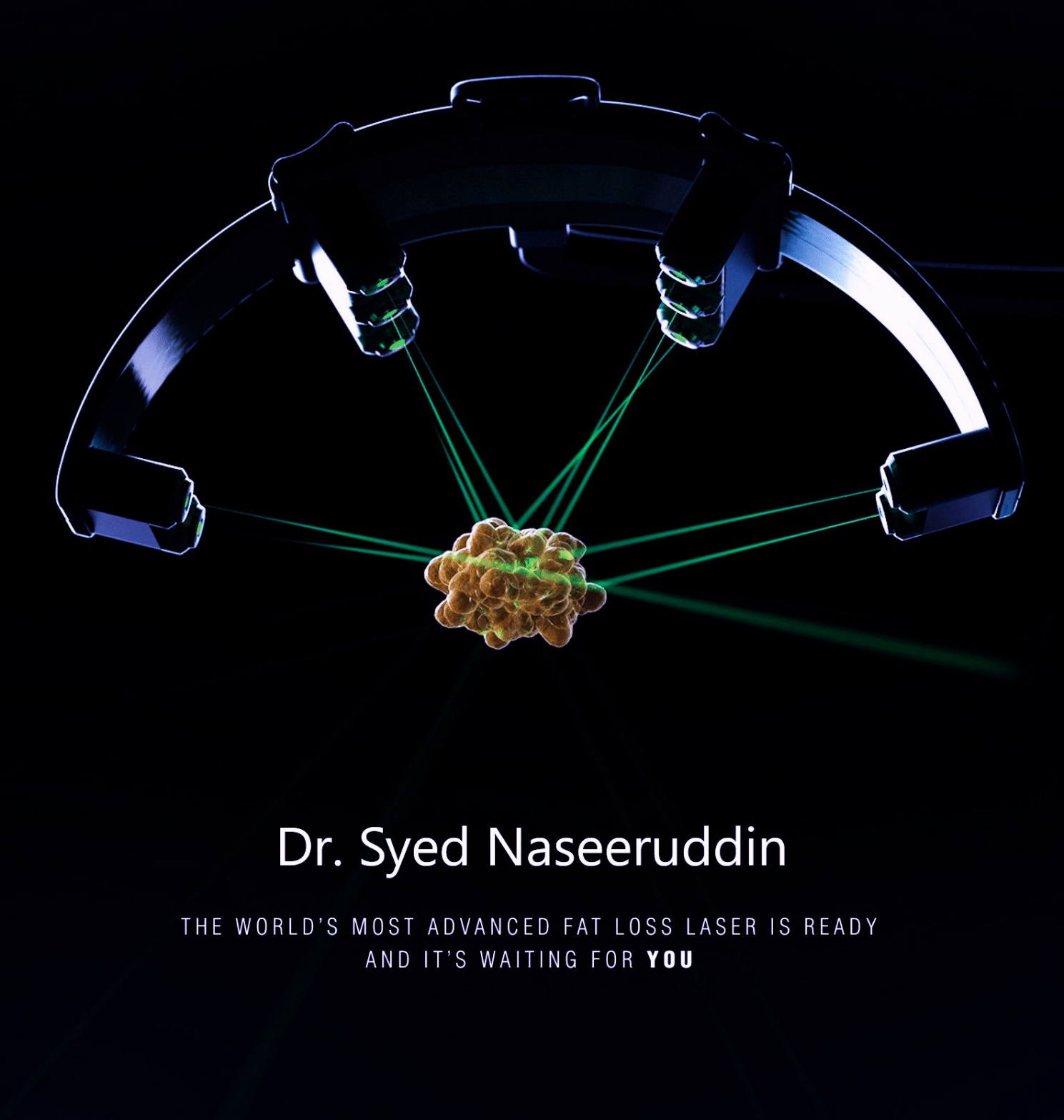
Selected literature on photobiomodulation technology compiled from our clinical research library.
Felician M. C. P. et al. · Journal of Photochemistry and Photobiology, 2023.
“Photobiomodulation (PBM) is a noninvasive photonic-based therapy, capable of dealing with immune-inflammatory, neurological, and musculoskeletal disorders, as well as healing oral and chronic skin wounds. During PBM light is applied at a specific wavelength, either in the visible or near-infrared (NIR) ranges. Photophysical and photochemical processes might stimulate or inhibit various biological processes, depending on the target tissue, the wavelength of light, irradiance, fluence, repetition rate (pulse frequency), spot size, optical data of the tissue to be irradiated and treatment regimen. There are several randomized clinical studies demonstrating the PBM benefits as main or adjuvant therapies.”
The combination of LLLT and efavirenz drastically reduces HIV infection in TZM-bl cells
Lugongolo, Masixole Yvonne et al. · Biomedical Journal, 2021
“Light gets absorbed by chromophores into the cell mitochondria via the cytochrome c oxidase, which is a primary photo-acceptor for the red and near infrared light range in mammalian cells. The absorption of light stimulates the electron transport chain, which leads to the synthesis of adenosine triphosphate (ATP), production of reactive oxygen species (ROS) and release of nitric oxide (NO). ROS are the free radicals and reactive molecules that originate from molecular oxygen produced during electron transport as by products. It was presumed that these molecules only have damaging effects in cell components, however, recently it has been demonstrated that ROS play significant and beneficial roles in cell signaling processes and other physiological processes. The induction of these molecules by LLLT have positive effects as they induce transcription factors like nuclear factor Kappa B (NF-kB) and activator protein-1 (AP-1), which in turn promote gene expression, thereby increasing protein synthesis, cell proliferation, cell migration, production of cytokines and growth factors, as well as increased tissue oxygenation. Furthermore, the absorption of photons by mammalian cells regulates enzymatic activity and also balances both intracellular and extracellular pH.”
Nairuz T, Sangwoo-Cho, Lee J-H. · Cells. 2024
González-Muñoz A, Cuevas-Cervera M, Pérez-Montilla JJ, et al. · Healthcare (Basel). 2023
Cheng K, Martin LF, Slepian MJ, Patwardhan AM, Ibrahim MM · Journal of Pain, 2021
“In recent years, evidence for the use of light therapy as a nonpharmacologic approach for pain reduction has gained momentum, and both preclinical and clinical studies have demonstrated its efficacy and continue to explore its efficacy in a variety of pain syndromes.”
Ferlito, J.V., Silva, C.F., Almeida, J.C. et al. · Lasers in Medical Science 2023
“Nineteen RCTs involving 1089 participants were included in this review. PBMT alone or with exercise improved pain intensity in short-term treatment. PBMT was superior to (extracorporeal shock wave therapy) EWST for relief of pain.”
Hegedus B, Viharos L, Gervain M, Gálfi M. · Photomedicine and Laser Surgery 2009
“Over the years more than 100 double-blind, placebo-controlled studies have been published on the effects of LLLT. These articles also showed the favorable anti-inflammatory effect of LLLT”
Candice Madakadze, and Sharon Bailey · Canadian Agency for Drugs and Technologies in Health 2023
“Participants from the randomized double-blind sham-controlled study were followed up at 12 months to determine the effectiveness of the Erchonia FX 635, and showed the therapeutic effects of the laser therapy were maintained after a year”
Naterstad IF, Joensen J, Bjordal JM, Couppé C, Lopes-Martins RAB, Stausholm MB. · BMJ Open 2022
“LLLT significantly reduces pain and disability in lower extremity tendinopathy and plantar fasciitis in the short and medium term.”
Huang Z, Ma J, Chen J, Shen B, Pei F, Kraus VB. · Arthritis Research & Therapy 2015
“Our findings indicate that LLLT is an effective method for relieving pain in NSCLBP patients.”
Lourinho I, Sousa T, Jardim R, Pinto AC, Iosimuta N. · PLoS One 2023
“LLLT has promising results in controlling joint inflammation, reducing pain, tumor necrosis factor alpha (TNF-a) and modulating the inflammatory process.”
Sertaje MRF, Gonçalves MLL, Gomes AO, et al. · Medicine (Baltimore), 2022
“Due to the high prevalence of children with TMD, we can treat this condition with ILIB, which is inexpensive, safe and has no side effects; there is also evidence on the systemic effect regarding the improvement in the body’s response in repair and inflammation, aiding in cases of decreased mandibular opening.”
Amorim ACFG, Belchior TCF, Silva Rodarte TND, et al. · BMJ Open 2024
“PBM is an effective analgesic non-pharmacological therapy, which can be safely and easily applied by a qualified professional.”
Costanti Vilela Campos M, Simoes Velloso Schuler S, de Barros Motta P, et al. · Medicine (Baltimore), 2022
“The use of laser therapy in patients with facial pain showed pain relief within minutes after its application, providing a significant well-being state.”
Puliyath, N., Venugopalan, A.V., Das KV, S. et al. · Lasers in Medical Science, 2023
Lauterbach R, Aharoni S, Justman N, Farago N, Gruenwald I, Lowenstein L. · International Urogynecology Journal 2022
Reichelt, A.C., Suarez-Ibarrola, R., Herrmann, T.R.W. et al. · World Journal of Urology, 2021
“The introduction of laser technologies in recent years has enabled the development of new surgical techniques for the treatment of BPH and thus alternatives to conventional transurethral resection of the prostate.”
Hwang WY, Kim YB, Lee SR, Suh DH, Kim K, No JH. · International Urogynecology Journal 2022
Tafuri A, Panunzio A, De Carlo F, et al. · Journal of Clinical Medicine, 2023
“Transperineal laser ablation of the prostate is an innovative minimally invasive treatment option for BPE that showed interesting and promising results.”
de la Rosette, Jean et al · European Urology Supplements, 2008
“The latest addition to laser therapy for BPH is photoselective vaporization of the prostate. This procedure results in rapid vaporization of prostate tissue with good outcome up to 5 yr reported.
J. BIAN, C. Pollock, C. Huang, A. Liebert, X.M. Chen, · Kidney International Reports, 2022
“The present study suggests that PBM directly reduced inflammation and fibrosis in kidney tubular cells, when used at the appropriate dose.”
Bian J, Liebert A, Bicknell B, Chen XM, Huang C, Pollock CA. · International Journal of Molecular Sciences, 2022
Moskvin SV, Apolikhin OI · Biomedicine 2018
“Laser therapy should be used as much as possible in the complex treatment of men with infertility, since the effectiveness of the method is not just high, but often has no alternatives.”
Salehpour F, Khademi M, Vahedifard F, Cassano P. · Photonics, 2022
Bhandari Dr. Chirag · The Journal of Sexual Medicine, 2023
Welk B, Kelly E. · CMAJ, 2023
“Vaginal lasers heat the vaginal epithelium and cause thermal necrosis, which induces collagen remodelling and synthesis, neovascularization and elastin formation. This may lead to improved vaginal elasticity and restoration of premenopausal epithelial function”
de Assis Florentino, A.V., Lage Bicalho Bretas, T., Issa, M.C.A. · Lasers, Lights and Other Technologies. Clinical Approaches and Procedures in Cosmetic Dermatology, 2018
“Vaginal rejuvenation has been popped up recently due to the increase in life expectancy and the search for a better quality of life. Nowadays, women live one-third of their lives after menopause, demanding efforts to keep their sexual life up to their body and mind’s health. Advances in laser therapy have made this possible, reversing vulvovaginal atrophy and its symptoms, known as genitourinary syndrome of menopause, including vaginal dryness, dyspareunia, decrease in sexual arousal and orgasm, stress urinary incontinence, and vaginal bleeding. Carbon dioxide laser (CO2) and the erbium laser (Er:YAG) are the most common lasers used for female rejuvenation. They promote neocollagenesis and neovascularization in the connective tissue of the vaginal wall, as well as recover the mucosal epithelium, restoring lubrication and elasticity of vaginal walls.”
Stevens WG, Cohen R, Schantz SA, et al. · Aesthetic Surgery Journal, 2006
Stevens WG, Cohen R, Schantz SA, et al. · Aesthetic Surgery Journal, 2023
Gobbo, M., Rico, V., Marta, G.N. et al. · Support Care Cancer 2023.
“Preventive PBMT may be protective against the development of severe grades of RD and reduce the frequency of RT interruptions.”
Gobbo, M., Rico, V., Marta, G.N. et al. · Photobiomodulation, Photomedicine, and Laser Surgery 2023
“Preventive PBMT may be protective against the development of severe grades of RD and reduce the frequency of RT interruptions.”
Yang K, Tang Y, Ma Y, et al. · Clinical, Cosmetic and Investigational Dermatology 2021
Yang K, Tang Y, Ma Y, et al. · Aesthetic Surgery Journal 2023
The Anti-Acne Effect of Near-Infrared Low-Level Laser Therapy.
Szymańska A, Budzisz E, Erkiert-Polguj A. · Clinical, Cosmetic and Investigational Dermatology 2021
Reverse skin aging signs by red light photobiomodulation.
Szymańska A, Budzisz E, Erkiert-Polguj A. · Aesthetic Surgery Journal 2023
Wu, C., Liu, T.CY., Duan, R. et al · Neuroscience Bulletin, 2023
Gaizeh Al-Hallak, M.A., Chalhoub, K., Hsaian, J.A. et al. · Clinical Oral Investigations, 2024
“Photobiomodulation therapy of herpes labialis reduced pain significantly faster than acyclovir.”
Mukhtar R, Fazal MU, Saleem M, Saleem S. · Lasers in Medical Science, 2020
“Overall, low-level laser therapy (LLLT) proved itself an excellent therapeutic modality for the relief of pain in post-herpetic neuralgia patients, which may replace pain management medicines in future.”
Mfouo-Tynga IS, Mouinga-Ondeme AG. · Pharmaceuticals (Basel), 2022
“Light-mediated treatments are suitable to manage both oncogenic viral infections and induced neoplasia.”
Duguay BA, Herod A, Pringle ES, et al. · Viruses, 2022
“Human coronaviruses (HCoVs) are also susceptible to photodynamic inactivation.”
Lugongolo, Masixole Yvonne et al. · Biomedical Journal, 2021
“Efavirenz and Low-level laser therapy significantly reduced HIV infection in TZM-bl cells. Furthermore, the death of HIV infected cells was due to necrosis.”
Ailioaie LM, Ailioaie C, Litscher G. · Photonics. 2022
“This review revealed that Photobiomodulation has been successfully applied as adjunct therapy, in combination with conventional medical treatment, and as a pioneering action in SARS-CoV-2 infection, demonstrating significant improvements in airway inflammation and general clinical condition of patients, a faster recovery, avoiding intensive care unit (ICU) hospitalization, mechanical ventilation, mortality, and overcoming long-term sequelae.”
Neto RPM, Espósito LMB, da Rocha FC, et al. · Journal of Biophotonics, 2024
Elsayed MM, Abdallah GA, Hassan SS, Nagy EN. · Scientific Reports 2023
“Laser phototherapy is an irradiation approach to the blood that has been used to handle many rheological, neurological, and metabolic cases by enhancing lipoprotein lipase manufacturing, vasodilator release, and microcirculation improvement, additionally reducing the risk of metabolic complications and obesity-related comorbidities through boosting anti-inflammatory mediators, reduction in fat deposits, and lower serum lipids.”
Croghan IT, Hurt RT, Schroeder DR, Fokken SC, Jensen MD, Clark MM, Ebbert JO. · Lasers in Medical Science 2020
“Providing 12 Low-level laser therapy treatments over the course of 6 weeks twice per week is effective for reducing body weight, BMI, body fat mass, and percent body fat as well as improving body satisfaction, body appreciation, and overall quality of life.”
Roche GC, Shanks S, Jackson RF, Holsey LJ. · Photomedicine and Laser Surgery 2017
“Subjects with BMI between 30 and 40 kg/m2 were treated with LLLT or sham treatment twice weekly for 3 weeks. Among subjects treated with the LLLT device, 71.43% attained a ‡3.0 inch decrease in combined circumference measurements versus 12% of sham-treated subjects.”
Croghan IT, Ebbert JO, Schroeder DR, Hurt RT, Hagstrom V, Clark MM. · BMC Obesity 2016
“From baseline to end of treatment, significant reductions in waist circumference were noted for each treatment group.”
Effect of Low level laser on abdominal obesity in women with lumbar disc prolapse: A Randomized Controlled Trial
Gamaleldin, Haytham & Nasef, Samy & Shaban, Ghada & Elaggan, Ashraf. · European Journal of Molecular & Clinical Medicine 2021
“A combined treatment of Low-level laser therapy and diet may offer a safe and effective treatment modality for obese patients with lumbar disc prolapse.”
Sene-Fiorese M, Duarte FO, de Aquino Junior AE, et al. · Lasers in Surgery and Medicine 2015
“Phototherapy enhances the physical exercise effects in obese women undergoing weight loss treatment promoting significant changes in inflexibility metabolic profile.”
Diabetes in spotlight: current knowledge and perspectives of photobiomodulation utilization.
Perrier Q, Moro C, Lablanche S. · Frontiers in Endocrinology, 2024
Houreld N. · Applied Sciences, 2019
“Wound reduction was measured at two weeks and was found to be significantly reduced in 75% of PBM treated ulcers.”
Yapislar H, Gurler EB. · Biomedicines, 2024
“The Early Treatment Diabetic Retinopathy Study (ETDRS) has shown the benefit of focal laser photocoagulation in decreasing the frequency of persistent macular edema and increasing the chance of visual improvement.”
Perrier Q, Moro C, Lablanche S. · Frontiers in Endocrinology, 2024
“PBM emerges as a promising adjunctive therapy for managing diabetic neuropathy, wound healing, and glycemic control.”
Chatterjee P, Srivastava AK, Kumar DA, et al. · BMC Geriatrics, 2019
“Deep tissue laser therapy significantly reduced pain and improved the quality of life of older patients with painful diabetic peripheral neuropathy.”
Purbhoo-Makan M, Houreld NN, Enwemeka CS. · Life (Basel), 2022
“PBM at different wavelengths has shown positive results with regards to wound healing and fibroblast proliferation. It is also worth taking into consideration that red and NIR wavelengths have established beneficial effects in diabetic ulcer care.”
Cg SK, Maiya AG, Hande HM, Vidyasagar S, Rao K, Rajagopal KV. · Laser Therapy, 2015
“PBM at different wavelengths has shown positive results with regards to wound healing and fibroblast proliferation. It is also worth taking into consideration that red and NIR wavelengths have established beneficial effects in diabetic ulcer care.”
Bavaresco T, Pires AUB, Moraes VM, Osmarin VM, Silveira DT, Lucena AF. · Trials, 2018
“A systematic review of four randomized clinical trials in which laser therapy was administered to patients with a diabetic foot ulcer over 2 to 16 weeks found favorable outcomes regarding ulcer size and time to healing.”
Hossein-Khannazer N, Kazem Arki M, Keramatinia L, Rezaei-Tavirani M. · Laser Therapy, 2015
“Low-level laser therapy was a noninvasive, quick and safe intervention, which increased thyroid hormones and improved thyroid function. Moreover, there was no risk of developing malignant nodules.”
S. Dong, H. Ren, R. Zhang, X. Wei, · Interdisciplinary Medicine, 2024
“Brain diseases, including neurodegenerative diseases and neuropsychiatric disorders, have been a major public health problem. There is no drug that can completely reverse the progression without side effects, whereas PBMT has been demonstrated to be capable of delaying the progression of disability, promoting brain function recovery, and reducing the frequency of relapses.”
Hossein-Khannazer N, Kazem Arki M, Keramatinia A, Rezaei-Tavirani M. · Journal of Lasers in Medical Sciences, 2021
“Low-level laser therapy leads to a reduction in inflammatory immune cells, including TH1 and TH17, inhibits inflammation, and augments brain tissue regeneration.”
Henderson TA, Morries LD. · Frontiers in Psychiatry, 2017
“Patients saw benefit often within four treatments and resolution of depressive symptoms occurred within 4 weeks for some.”
Montazeri, K., Farhadi, M., Fekrazad, R. et al. · Lasers in Medical Science, 2022
“PBMT can be classified as strongly recommended for moderate grade of major depressive disorder (MDD) and recommended for anxiety disorder.”
Farazi N, Salehi-Pourmehr H, Farajdokht F, Mahmoudi J, Sadigh-Eteghad S. · BMC Neurology, 2024
“This systematic review clearly demonstrates the therapeutic role of PBM combined therapies, as well as their potential to improve treatment efficacy and reduce side effects across a wide range of central and peripheral neurological disorders.”
Yokomizo S, Kopp T, Roessing M, et al. · Stroke, 2024 (American Heart Association)
“Near-infrared II photobiomodulation could offer a noninvasive and low-risk adjunctive therapy for stroke injury.”
Henderson TA. · Frontiers in Neurology, 2024
“Infrared photobiomodulation embodies a remarkable and powerful tool for influencing mitochondrial function, inflammation, perfusion, and tissue repair mechanisms in the brain and other tissues.”
Saltmarche AE, Naeser MA, Ho KF, Hamblin MR, Lim L. · Photomedicine and Laser Surgery, 2017
“There was significant improvement after 12 weeks of PBM. Increased function, better sleep, fewer angry outbursts, less anxiety, and wandering were reported post-PBM. There were no negative side effects.”
Lim L. · Frontiers in Neurology, 2024
“PBM has shown potential to halt or even reverse the progression of AD, as evidenced by improvements in cognitive impairment and memory across various published studies.”
Johnson PK, Fino PC, Wilde EA, et al. · Photobiomodulation, Photomedicine, and Laser Surgery, 2024
“
Naeser MA, Martin PI, Ho MD, et al. · Journal of Alzheimer's Disease Reports, 2011
“
Ji Q, Yan S, Ding J, et al. · Frontiers in Psychiatry, 2024
“
Liebert A, Bicknell B, Laakso EL, et al. · BMC Neurology, 2021
“
Zomorrodi, R., Loheswaran, G., Pushparaj, A. et al. · Scientific Reports, 2019
“Transcranial photobiomodulation has demonstrated its value as a treatment for neurological and neurodegenerative conditions, including Alzheimer’s disease.”
Peña, J. et al. · Creativity Research Journal, 2024
“Transcranial photobiomodulation may help the brain switch from a state of mind-wandering (DMN) to a state of focused attention (salience and central executive networks) more readily.”
Staelens M, Di Gregorio E, Kalra AP, et al. · Frontiers in Medical Technology, 2022
“PBM balances excitatory stimulation with inhibition, indicating that PBM may reduce excitotoxicity which is relevant to the maintenance of a healthy brain.”
Salehpour, F., Mahmoudi, J., Kamari, F. et al. · Molecular Neurobiology, 2017
“Brain PBM therapy enhances the metabolic capacity of neurons and stimulates anti-inflammatory, anti-apoptotic, and antioxidant responses, as well as neurogenesis and synaptogenesis. Its therapeutic role in disorders such as dementia and Parkinson’s disease, as well as to treat stroke, brain trauma, and depression has gained increasing interest.”
Siqueira RC. · Clinical Ophthalmology, 2024
Valter, Krisztina et al. · Frontiers in ophthalmology, 2024
Khandhadia, S., Thulasidharan, S., Hoang, N.T.V. et al. · Eye 2023 (Official journal of The Royal College of Ophthalmologists)
“136 eyes of 123 chronic CSCR patients treated with half dose PDT exhibited an improvement in VA from 0.36 to 0.15 logMAR, 36 months following treatment from half dose PDT, 97% of eyes with complete resolution of SRF at this point”
Zhu Q, Xiao S, Hua Z, Yang D, Hu M, Zhu YT, Zhong H. · International Journal of Medical Sciences 2021
“NIR light can also help brains to recover from atherothrombotic stroke, brain injury, and neurodegeneration”
Muste JC, Russell MW, Singh RP. · Clinical Ophthalmology 2021.
“At 6 months, central retinal thickness declined 24±5 microns (vs 120±97 microns in comparison) and VA improved 6±5 letters (vs 3±4 letter decrease in comparison)”
Zhang CX, Lou Y, Chi J, Bao XL, Fan B, Li GY. · Biomolecules. 2022
“Light irradiation via PBM can increase the rate of mitochondrial ATP production and suppress inflammatory responses in the retina, thus playing a positive therapeutic role in many retinal diseases.”
Current Applications and Future Perspectives of Photobiomodulation in Ocular Diseases: A Narrative Review.
Cannas C, Pintus B, Corgiolu L, Borrelli E, Boscia G, Toro MD, Giannaccare G. · Applied Sciences, 2024
Photobiomodulation in Ophthalmology: A Comprehensive Review of Bench-to-Bedside Research and Clinical Integration.
Garg D, Daigavane S · Cereus, 2024
Yang, H., Liu, R., Xu, Y. et al. · Nano-Micro Letters, 2021
Gunaydin G, Gedik ME and Ayan S · Frontiers in Chemistry 2021
Li, Y., Chen, Y., Liao, Y. et al. · Apoptosis 2024
“PBMT had also been shown to ameliorate muscle atrophy through enhancing PI3K/AKT pathway to suppress MAFbx and MuRF-1 expression.”
Gobbo, M., Rico, V., Marta, G.N. et al. · Supportive Care in Cancer 2023
“PBMT may be effective in preventing grades 2 and 3 RD.”
Potrich, A.R., Só, B.B., Schuch, L.F. et al. · Lasers in Medical Science 2024.
“Patients submitted to PBMT reported better QoL at the end of the treatment compared with the control group. PBMT used for the management of OM preserves the QoL of patients with head and neck cancer.”
Jabłoński P, Musiał M, Wiench R, Stefanik N, Olchowy C, Matys J, Skaba D, Grzech-Leśniak K. · Medicina (Kaunas) 2022.
“PMB therapy contributes to faster healing of painful oral lesions in oncological patients, and thus their treatment time and return to the appropriate QoL is shorter.”
Saberi S, Hakimiha N, Alaeddini M, Etemad-Moghadam S, Roudbari P, Shahabi S. · Journal of Lasers in Medical Sciences 2022
“The current review revealed the promising effects of PDT on different oral squamous cell carcinoma (OSCC) cell lines using different PDT protocols.”
Karishma Kailass, Postdoctoral Fellow at Brigham and Women’s Hospital, Broad Institute of MIT and Harvard, Harvard Medical School. · University of Toronto Mississauga
“Photodynamic therapy offers promise for cancer treatment.”
Ramos Rocha S, da Costa Ferreira SA, Ramalho A, Conceição Gouveia Santos VL, Cristina Nogueira P. · Journal of Lasers in Medical Sciences 2022
“Clinical trials have shown no adverse effects after therapy and demonstrated an improvement in overall survival related to the reduction of these side effects, such as oral mucositis, RD and lymphedema, associated with the reduction of inflammation and pain, promotion of tissue reparation, reduction of fibrosis, and nerve regeneration.”
Wang K, Yu B, Pathak JL. · Journal of Cancer 2021
“PDT has been the subject of numerous clinical studies and has proven to be an effective strategy for cancer therapy. Clinical studies revealed that PDT could prolong survival in patients with inoperable cancers and significantly improve quality of life.”
Wilson B, Shah R, Menzer C, Aleisa A, Rossi A. · Journal of Lasers in Medical Sciences 2023
“Laser treatment with ablative fractional lasers and vascular lasers appears to be an effective treatment for patients with chronic radiation fibrosis and dermatitis.”
Jomsky M, Summa CH, Zarraga MB, Demory Beckler M. · Cureus 2022
“Our case highlights a positive outcome of PDT treatment of an HIV/HPV-positive patient with complete clearance of margins and recurrences.”
Jia J, Wu X, Long G, Yu J, He W, Zhang H, Wang D, Ye Z, Tian J.
“PDT has demonstrated promising results in the treatment of different malignancies, including superficial bladder cancer, early and obstructive lung cancer, Barrett’s esophagus, head and neck cancers, and skin cancer.”
Itoo AM, Paul M, Padaga SG, Ghosh B, Biswas S. Nanotherapeutic Intervention in Photodynamic Therapy for Cancer.
“PDT is an established alternative method for treating cancer. Strong specificity in tumor destruction and the feasibility of combining with other therapeutic agents are the major advantages associated with PDT.”
Hamblin, M.R.
“Alleviation of the side effects of cancer therapy has so far been one of the most impressive applications of PBM.”
Hamblin, M.R.
“Alleviation of the side effects of cancer therapy has so far been one of the most impressive applications of PBM.”
Rodríguez-Fernández, L., Zorzo, C. & Arias, J.L. · Scientific Reports, 2021
Pereira B, Correia FP, Alves IA, et al. · Ageing Research Reviews, 2024
“Overall, epigenetic reprogramming is currently the most promising strategy to be harnessed for age reversal and human rejuvenation.”
Eroglu, B., Genova, E., Zhang, Q. et al. · Scientific Reports, 2021
Mitrofanis J, Jeffery G. · Aging (Albany NY), 2018
Shen J, Tower J. Effects of light on aging and longevity. · Ageing Research Reviews, 2019
“Increasing evidence suggests an important role for light in regulation of aging and longevity.”
Shen J, Tower J. Effects of light on aging and longevity. · Ageing Research Reviews, 2019
“Increasing evidence suggests an important role for light in regulation of aging and longevity.”