Research-backed · Physician-supervised
About Herpetic Pain at Plano Clinic
Post-herpetic pain can persist after a shingles (herpes zoster) episode and may cause burning or nerve-related discomfort. Photodynamic therapy has been studied for pain relief and inflammatory conditions. At Plano Clinic, herpetic pain care is research-informed, non-invasive, and physician-supervised.
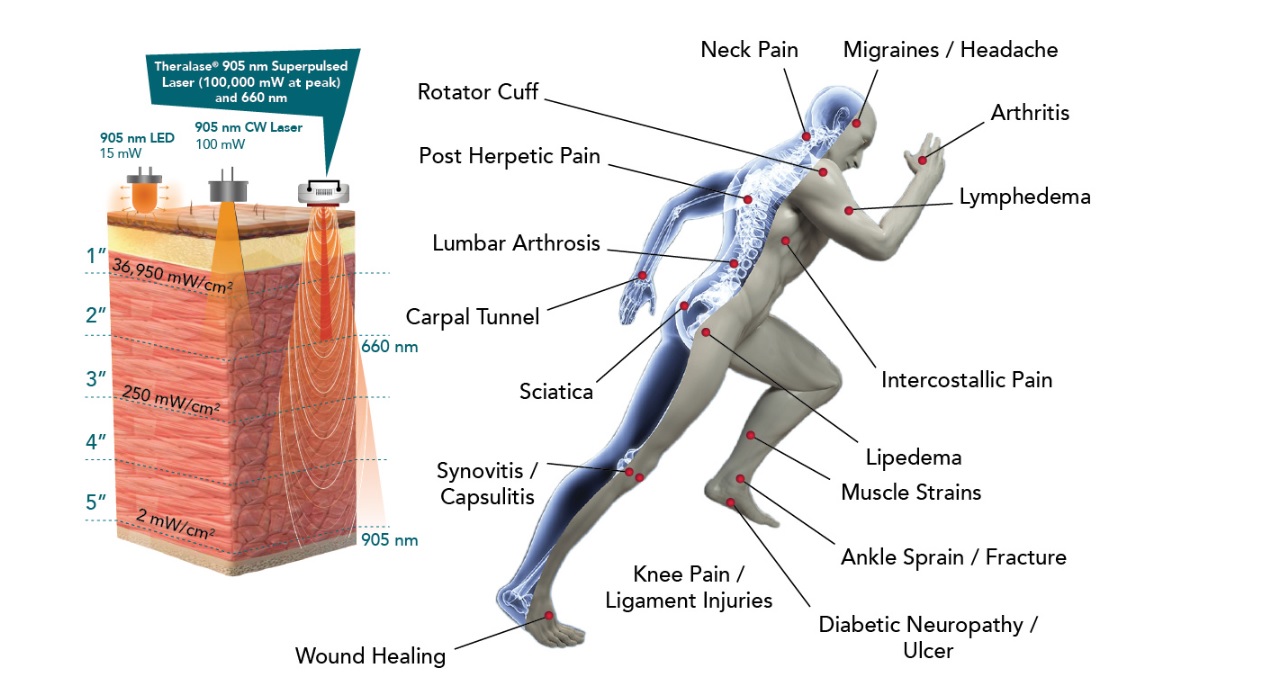
- Evaluation of nerve-related pain patterns after herpetic illness
- Supportive photodynamic approaches studied for pain pathways
- Physician oversight prioritizing comfort and quality of life
Photodynamic therapy (PDT), previously known as low-level laser therapy, uses visible and near-infrared light (450–1100 nm) to trigger photochemical changes within cells. It has been studied clinically for more than 50 years as a non-invasive option for pain relief and inflammatory conditions.
Every treatment we offer — including Herpetic Pain — is backed by scientific research and our expert Canadian doctors.